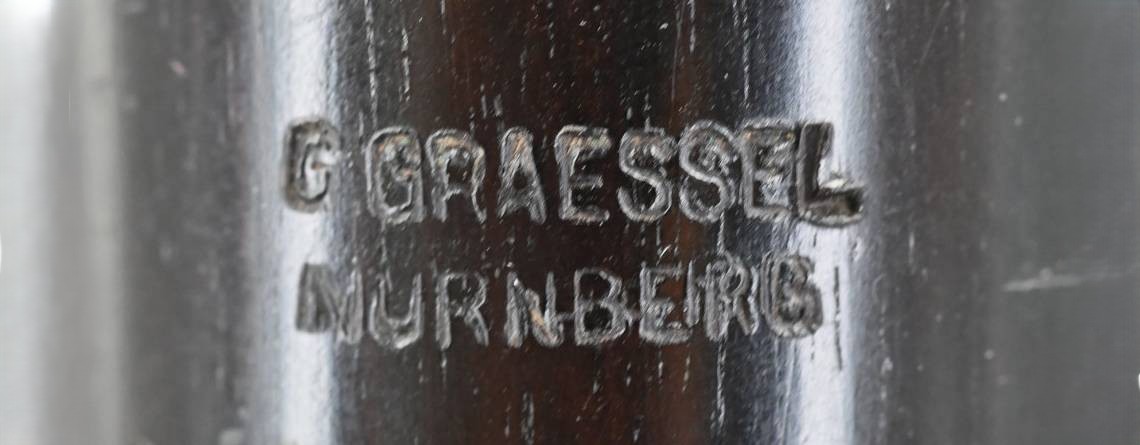
Reform-style flute – GRAESSEL, Georg
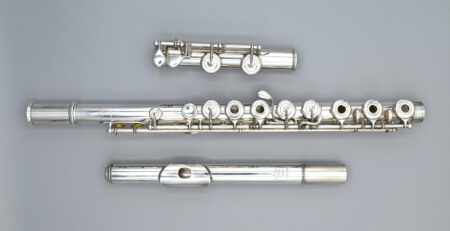
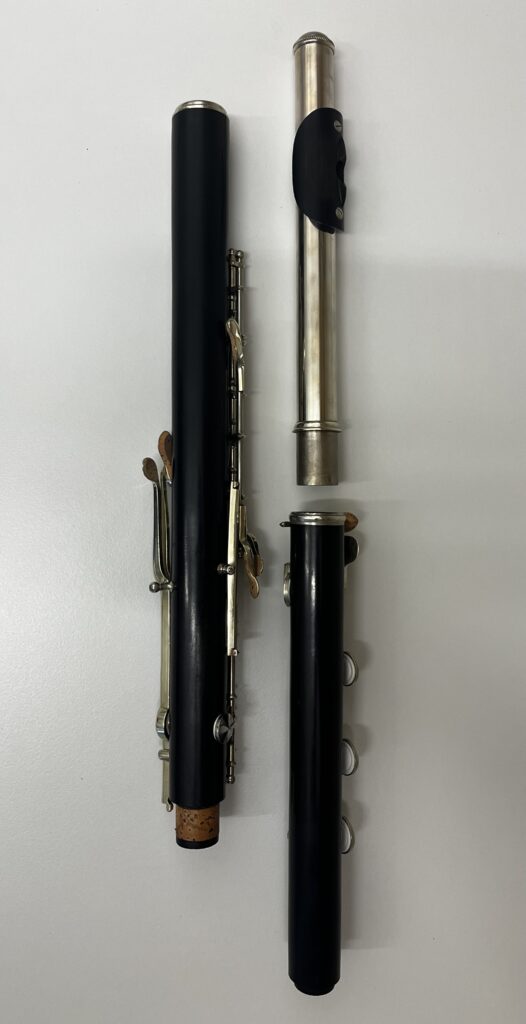
We are absolutely thrilled that one of our valued customers has shared not only photos but also a recording of the Georg GRAESSEL, alias Gräßel or Grässel (1874-1948) reform-style flute….now restored!
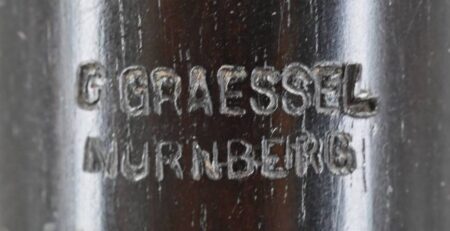
Georg Graessel was born in Regnitzlosau in Bavaria, Germany in 1874, right near the border with the Czech Republic. The literature confirms that after gaining enough training under his belt working with the likes of Johann VOIGT in his home town, HECKEL in Biebrich, LANGE in Wiesbaden, Oscar OEHLER and H. MEISSNER in Hof. He finally set himself up independently as a master of woodwinds in in Nuremberg in 1909.
He started out making flutes to later be renowned for his exceptional craftsmanship, especially in oboes, English horns and clarinets. In addition to several patents, he also played a vital role in the early modern revival of the recorder. On his death in 1948, his son Fritz GRAESSEL (1909-1984), a trained musician, took over the workshop after his younger brother, Hans GRAESSEL (1915-1939), was killed in World War II. When Fritz died in 1984, the Germanische Nationalmuseum in Nuremberg acquired the workshop equipment, which you can still see on display there today.
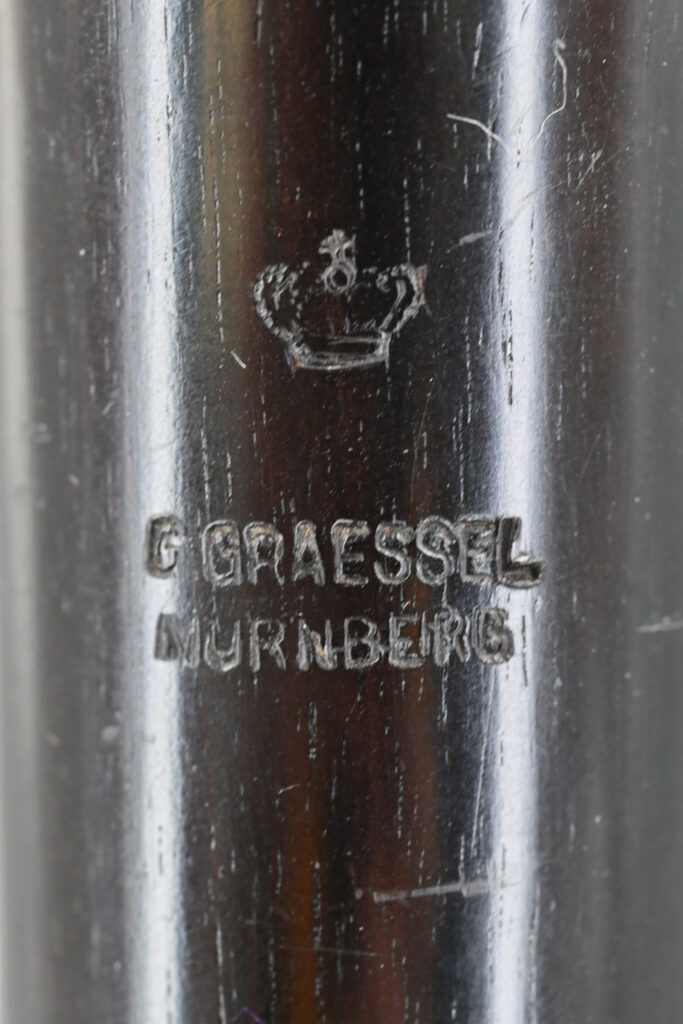
The Bavarian crown stamped on this instrument leads us to date it to between 1910 and 1918. The lip-plate is highly unusual because rather than the normal ebonite, it is made of wood – grenadilla! The thumb mechanism sharpens the B or the A by a semitone. So, it produces a C or a B-flat.
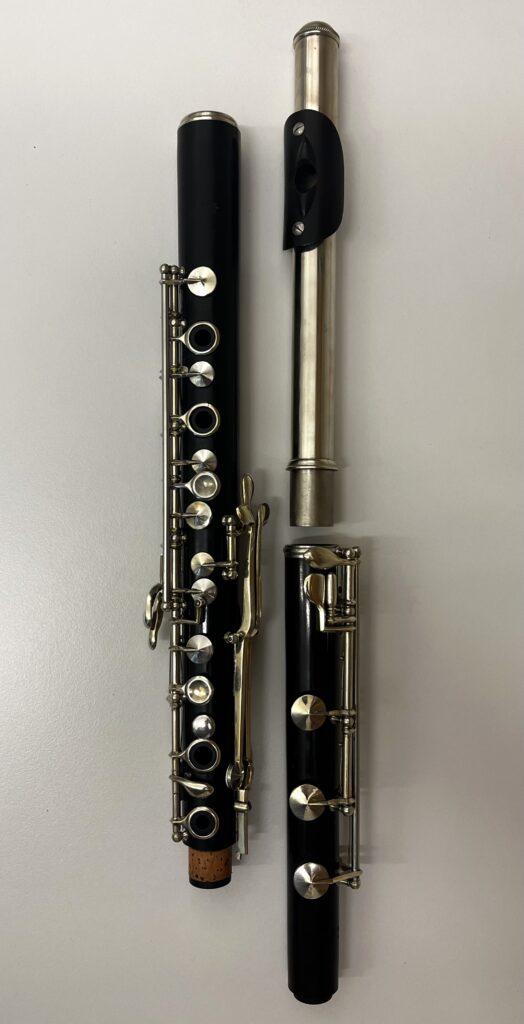
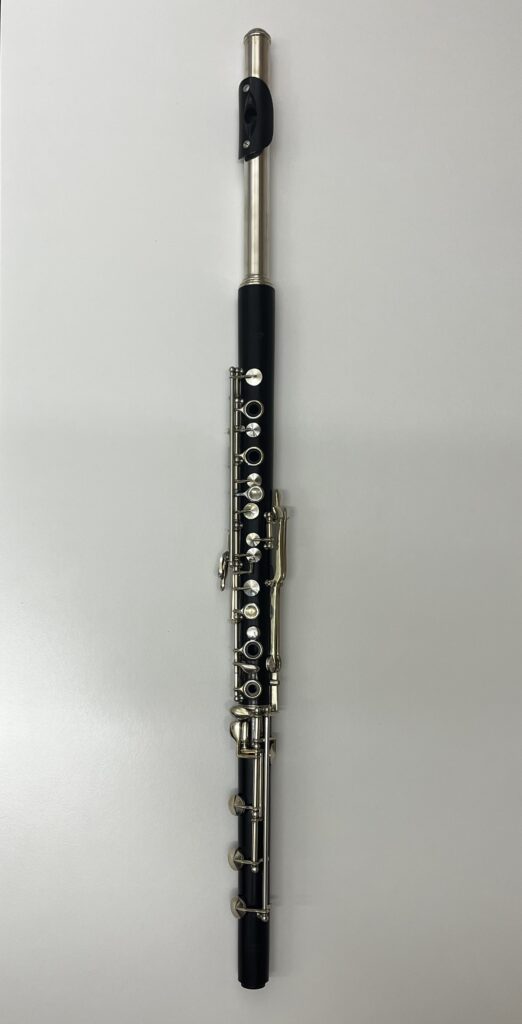
Listen to this restored flute playing Flute Study No. 69 from the Flute School by Ernesto Köhler (1st part) with improvised piano accompaniment.