Reform-style flute – SCHREIBER, C.A.
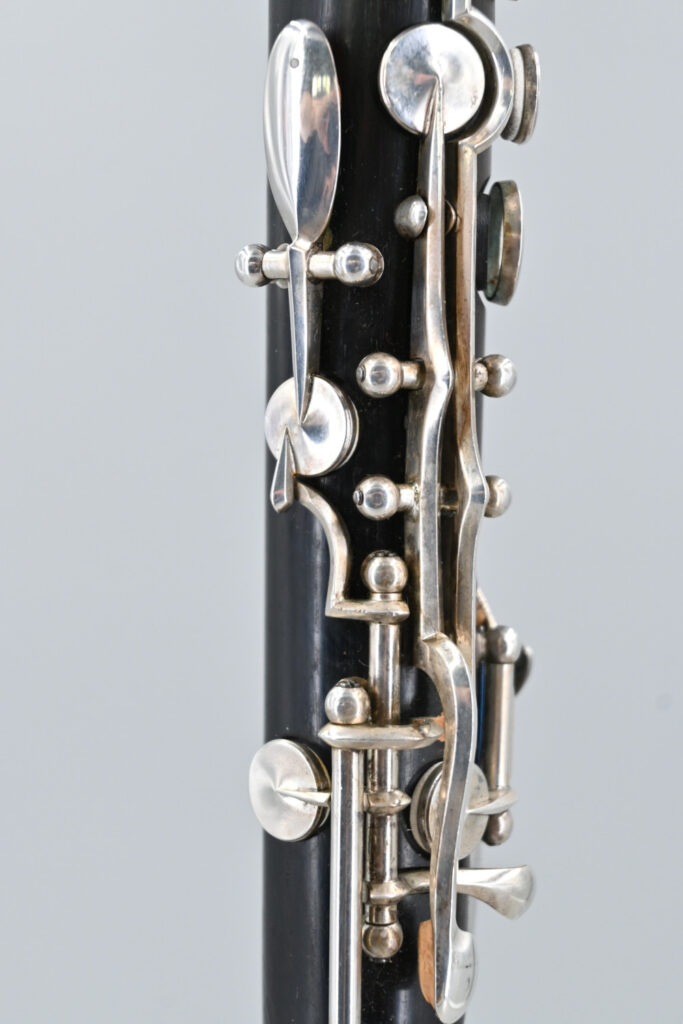
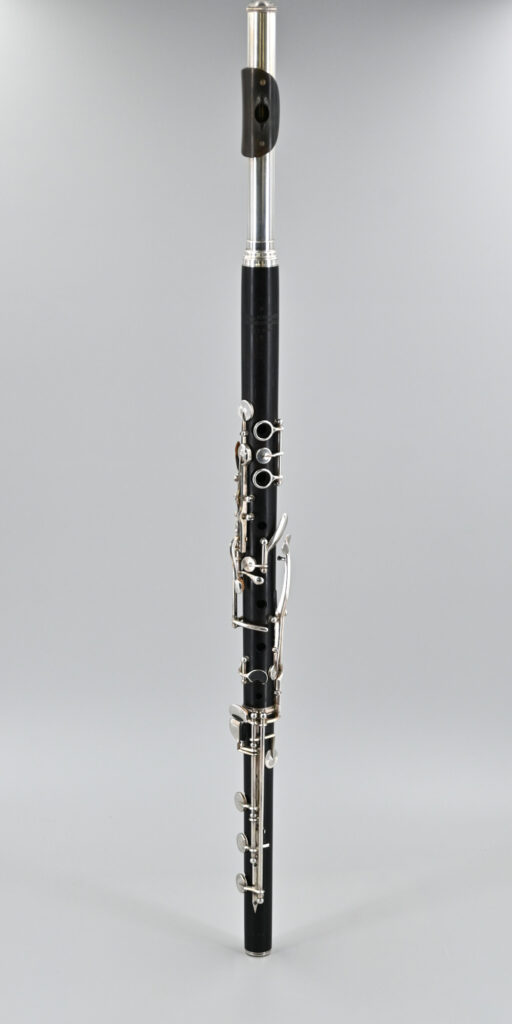
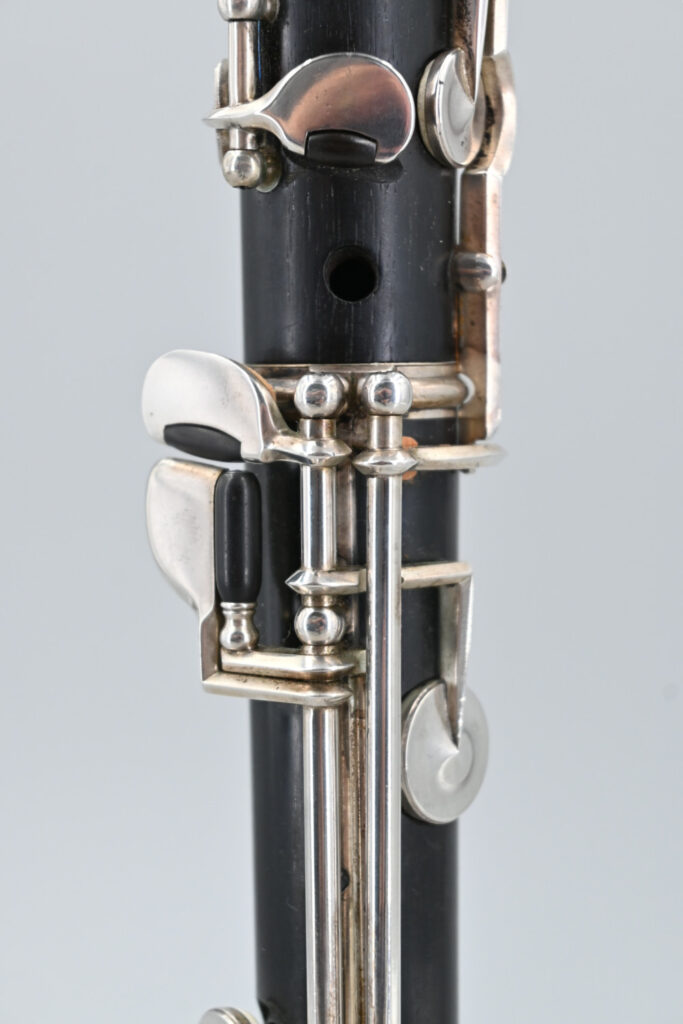
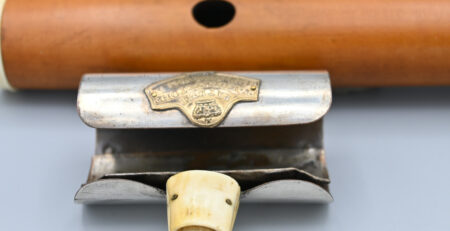
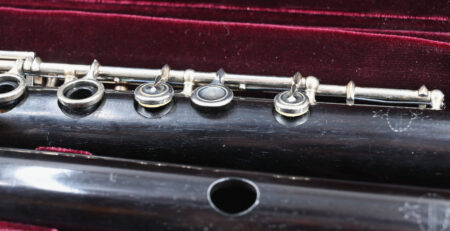
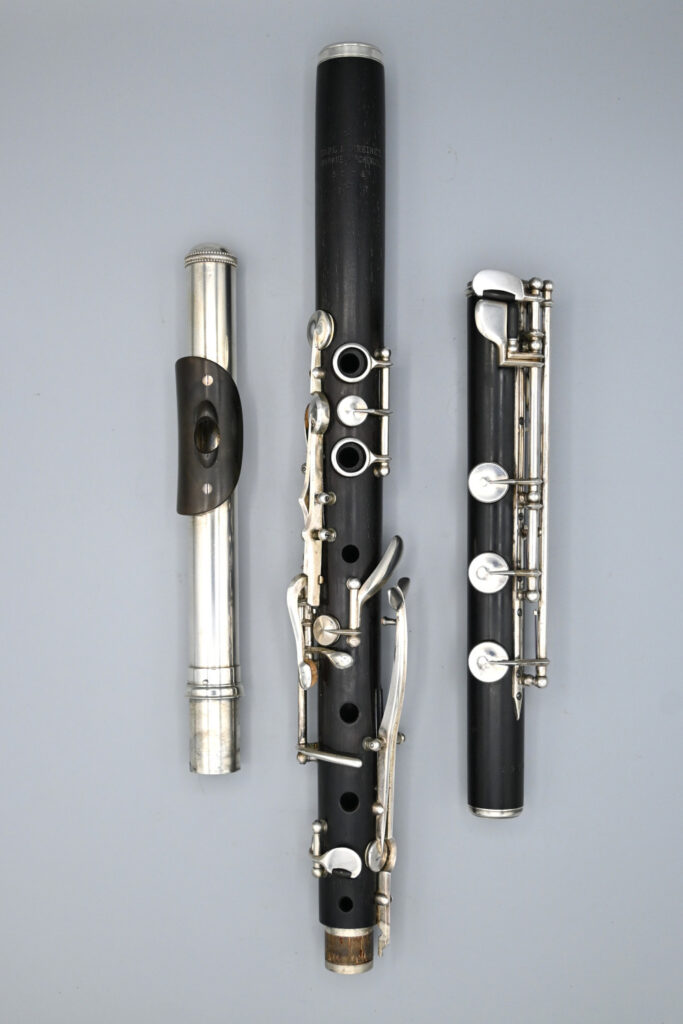
This sleek flute was crafted by Carl August Schreiber (1871-1931). It’s a unique reform-style flute because it has solid silver keywork and head joint!
So, who exactly was Mr. Schreiber?
Carl August SCHREIBER, who lived from 1871 to 1931, was an influential flute and piccolo artisan based in Markneukirchen, Vogtland, Germany. He trained under his uncle, Gustav Adolf HAMMIG, from 1885 to 1889 and subsequently launched his own workshop in 1891. He became renowned as one of the region’s foremost specialists in Boehm flutes.
The exclusive distribution of his flutes was retained by the Markneukirchen wholesale firm Gebrüder Schuster. His inventive contributions resulted in two patents, one of which facilitated the ease of playing trills. Following his death, the business was carried on by his wife, Marie née Peterhänsel. Hermann Franz MEHNERT (1893-1978), who had served as a journeyman at Schreiber’s and advanced to the position of workshop foreman, assumed control of the company in 1939. In 1949, he relocated both himself and the workshop to Stuttgart after World War II. The workshop in Markneukirchen operated under its original name until 1953. Subsequently, the company was forcibly expropriated on September 25, 1953, and transferred to public ownership.
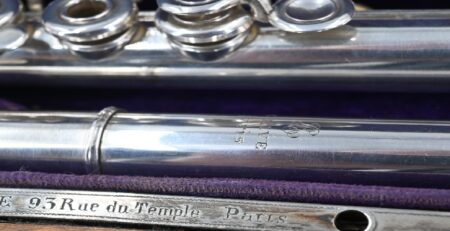
Initially, Schreiber didn’t number his flutes when he became independent; that came later. He, like other Vogtland manufacturers of his time, started with a higher number. By 1920, he had reached No. 1500, followed by No. 1733 in 1925, 2000 in the 1930s, and 2185 in 1938. The flute numbered 2332 was made in 1946, and Mehnert began numbering in Stuttgart from 2400.
Therefore, this Schreiber flute can be dated back to the years 1920 to 1925. It’s a typical German flute from that period, made with exceptional skill and plenty of love! As the keywork features solid silver and the tenons on the foot joint are also strengthened with solid silver, we suspect this flute was intended for a professional player.
The flute is in really great shape! It sounds fantastic at a=438 Hz. Offering a sweet and dense sound and bags of potential, this flute is a fantastic pick for late Romantic repertoire.