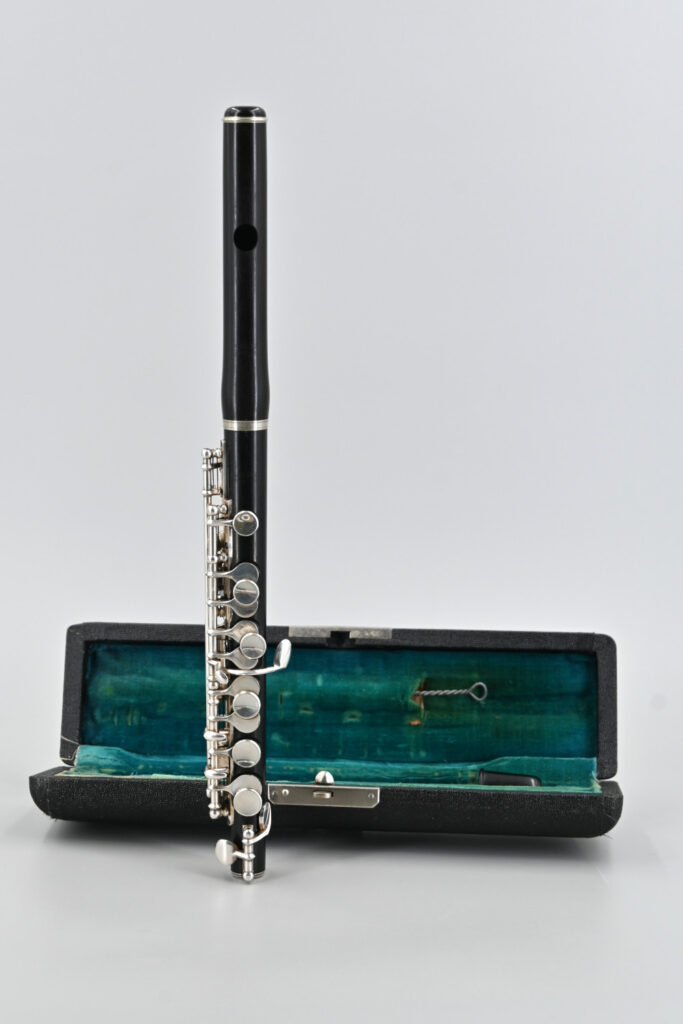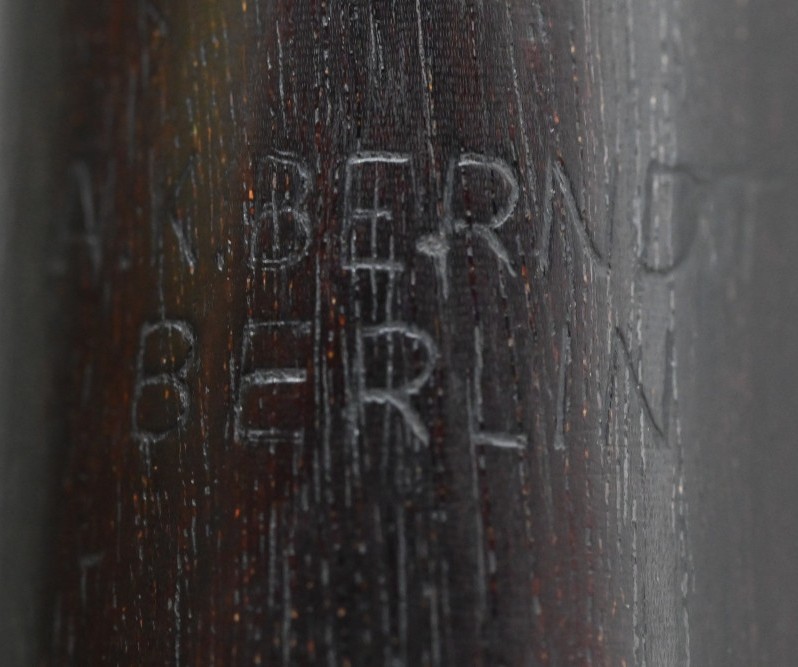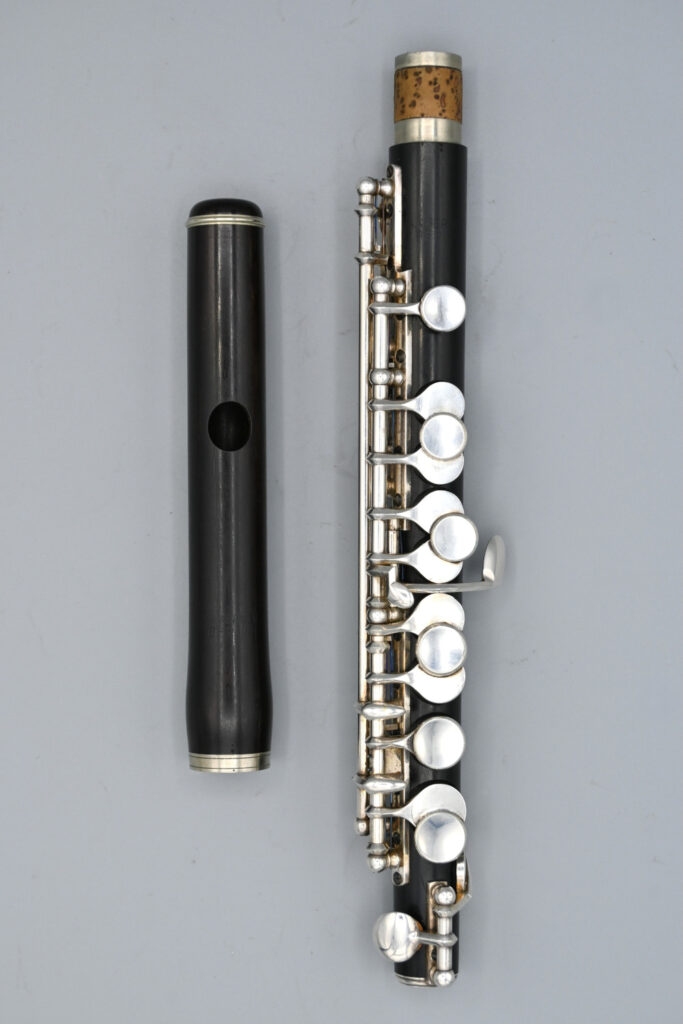
A. K. Berndt – master flutemaker Berlin
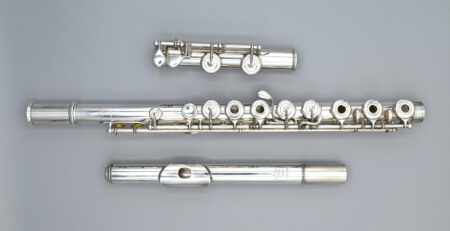
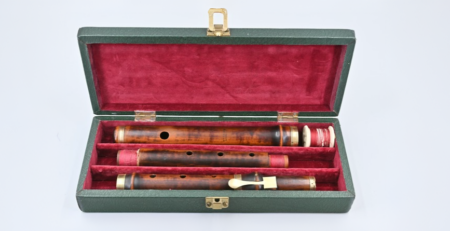
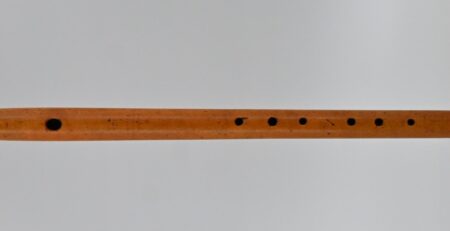
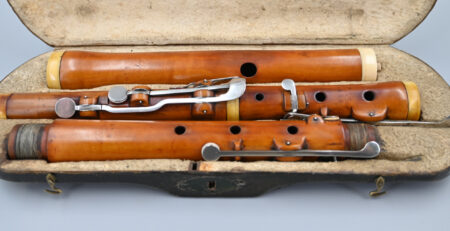
Alfred Kurt BERNDT, a master flutemaker based in Berlin, remains a relatively obscure figure in the world of woodwind instrument making, yet his contributions deserve greater recognition. His legacy was brought to light through an article penned by his son, the late Klaus BERNDT, 16.09.1936 – 03.07.2025. In 2018, Klaus shared his father’s remarkable journey in the pages of the magazine Neikirnger Heimatbote, offering readers a glimpse into the life and work of a man dedicated to the intricate craft of flute-making. This article tells that story.
Alfred Kurt Berndt was born in Landwüst, now a district in Markneukirchen in Vogtland, Saxony on 31 May 1904. His training began with three years trying to learn the skill of making fifes in his home town of Landwüst with the woodwind instrument maker Max Albin SCHÄDLICH (?1870-1921). Rather than learn much however, it seems he was somewhat exploited. He then left to join August Richard HAMMIG (1883-1979) at his Böhm flute production workshop in Markneukirchen, where he finally gained substantial knowledge.
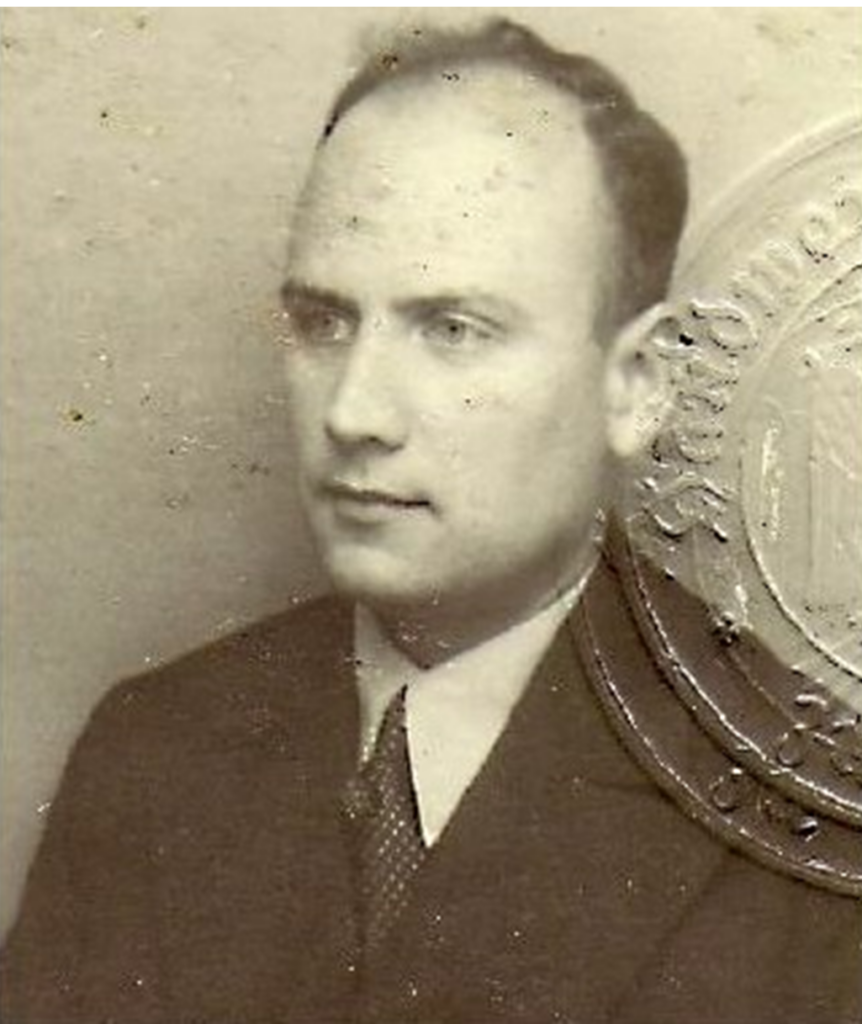
This was followed by a time in Leipzig at the Julius Heinrich ZIMMERMANN (1851-1922) company. During his time in Leipzig, on 29 July 1925, he obtained the Deutsches Reichsgebrauchsmuster D.R.G.M. patent number 924879 for a key connecting device for flutes. After some time working there, he was transferred to the Berlin branch.
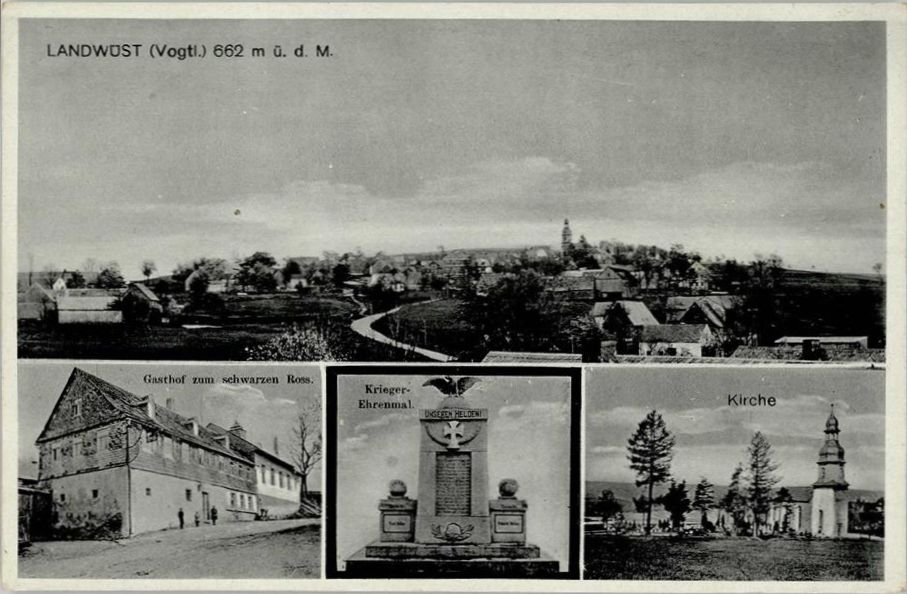
On 12 April 1928 he married Elisabeth ADLER, daughter of the innkeeper and master butcher Robert ADLER from the Schwarzes Ross in Landwüst and they moved that same day to Berlin where he was already working. The Zimmermann company had at the time, branches in Leipzig, Berlin, Riga and St. Petersburg. Since the Zimmermann company was half Jewish, it was liquidated immediately after the National Socialists came into power in 1933.
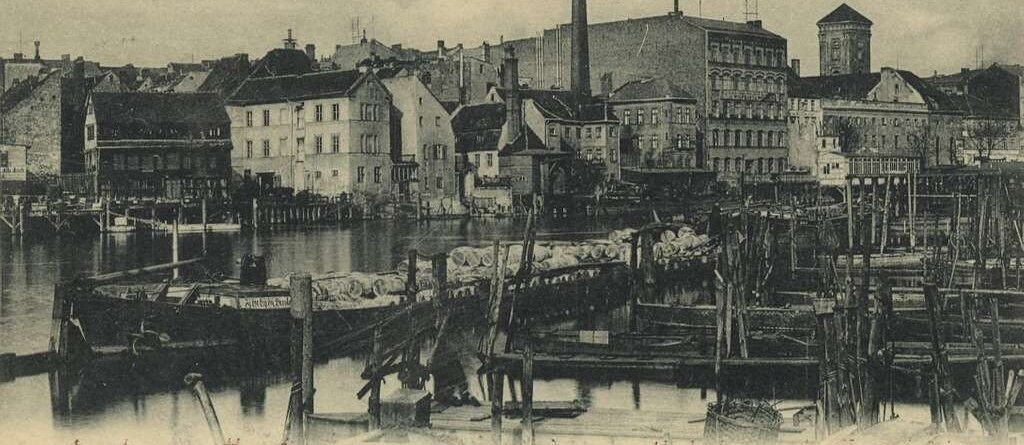
During this time, Alfred Kurt Berndt had already begun to fulfil his dream of having his own workshop. His unemployment benefit wasn’t sufficient to cover the rent, so he took on cash work until things began to improve. He worked long hours – ten and often twelve hours a day to make ends meet. It was difficult to afford the machines, tools and materials. He worked alongside his wife in the workshop. They did a lot of repadding of instruments, specialising in repadding Boehm flutes.
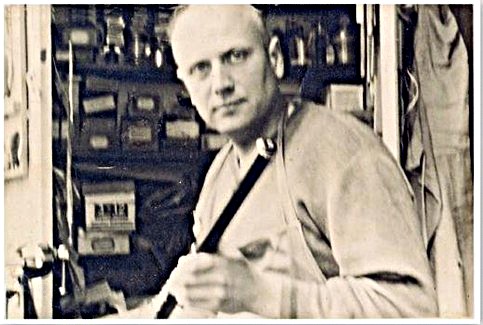
published in the Neikirnger Heimatbote in 2018
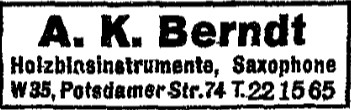
In the end, the workshop was thriving with many good customers and a good income. He even had an apprentice… who would unfortunately later leave to work in the armaments industry. Everything was going well family-wise too. Alfred Kurt Berndt’s son Klaus was born in 1936. But that all changed when the war came.
Just like the others who were in the Wehrmacht (defence force or unified armed forces of Nazi Germany from 1935 to 1945), Alfred Kurt Bernt was drafted into the Berlin fire brigade on 1 September 1939 to work in the fire station. In his spare time, he carried on working in his workshop. Then, sadly in 1944, even older age groups were drafted in for military service. He died in action on 25 March 1945 near Hagenbach in Palatinate west of Karlsruhe, Germany. He is buried in the war grave in Dahn.
Thanks go to the staff at the Neikirnger Heimatbote in Markneukirchen and to the late Klaus Berndt – without his moving article and photos about his father’s life, we would never know his story.